Straw Tote Bags: Sizes, Weaves, Handles and What to Specify
Every straw bag collection needs a tote. It is the shape buyers order first, the one that sells across the widest age range, and the one that goes wrong most often.
Wrong in ways that are avoidable. A body that collapses in the carton. Handles that pull out of the seam by the third week. An open weave that lets a customer's keys drop onto the pavement.
None of that is a material problem. It is a spec problem. Here is what to decide before you send a purchase order.
What makes a bag a tote
A tote is defined by two straps and an open or lightly closed top. Not by material, and not by size.
That definition sets the construction problem. A tote carries its load at two points, and the whole build has to survive that load. A clutch can be decorative. A tote cannot.
If the silhouette has one short handle, it is a bag. If it has two, it is a tote.
Retail listings blur this constantly, which is why the same shape turns up as a shopper, a market bag and a carryall.
The word tote also tells you where the money goes. Fabric and hand hours are spread across the body.
Structure, reinforcement and hardware sit at the handle roots and the base. That is why two totes of the same size and the same weave can differ in price by a third.
The sizes worth stocking
Size is the first spec that decides unit price, carton quantity and which market the bag sells into. Four bands cover almost every order we run.
Mini and small totes
A mini tote is a styling piece. It holds a phone, a card holder and keys, and not much else.
If you plan to sell it online, photograph it next to a hand. Mini means something different to every buyer, and returns come from that gap.
Small totes also carry a hidden cost. The smaller the bag, the higher the share of labor that goes into finishing the rim and the handles, so the price per liter of capacity goes up, not down.
Medium, the volume seller
The medium tote pays the bills. It takes a paperback, a water bottle, a folded scarf, and it still looks like a handbag rather than luggage.
A 13 inch laptop fits into the body with a slim folder beside it, which is the reason this size keeps selling into the commuter market.
This is also where the trade-off appears. The bigger the body, the more the two handle roots have to carry, and the more the base needs reinforcement.
For most collections this is the size to build in three colors and one size, rather than one color and three sizes. Color sells a medium tote. Variety of size sells a beach tote.
One more thing to settle before sampling. Decide whether the medium tote is a shoulder bag or a hand-carry bag.
Handle drop changes the pattern, the carton and how the bag sits on a model, and it is the line most often left blank on a spec sheet.
Large and oversized
Beach and market totes. They hold a towel and a bottle, and they are the reason straw totes photograph so well in summer campaigns.
The failure point moves with size. On a large tote it is not the body that gives up, it is the handle root, because the load is heavier and the weave around the seam is thinner.
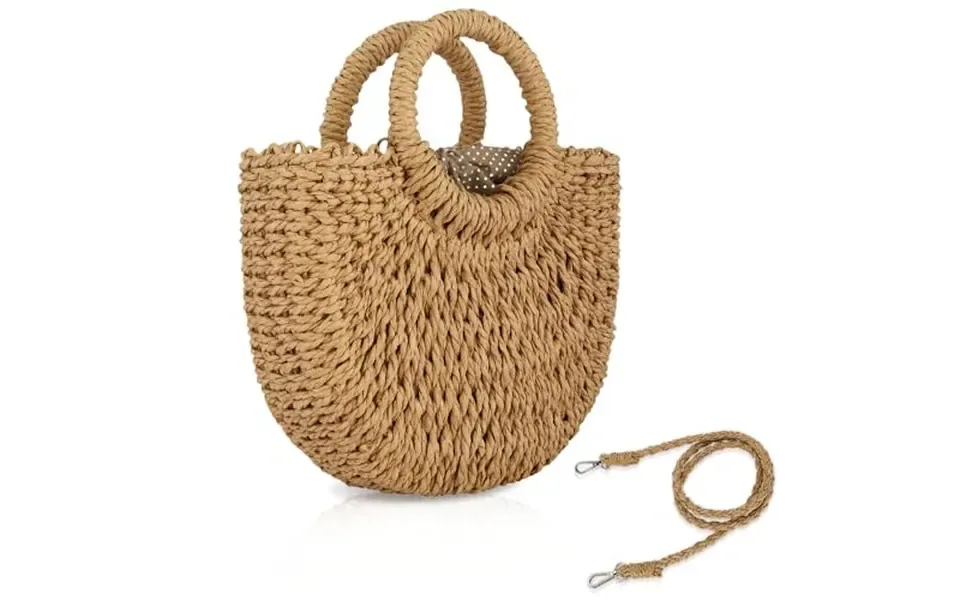
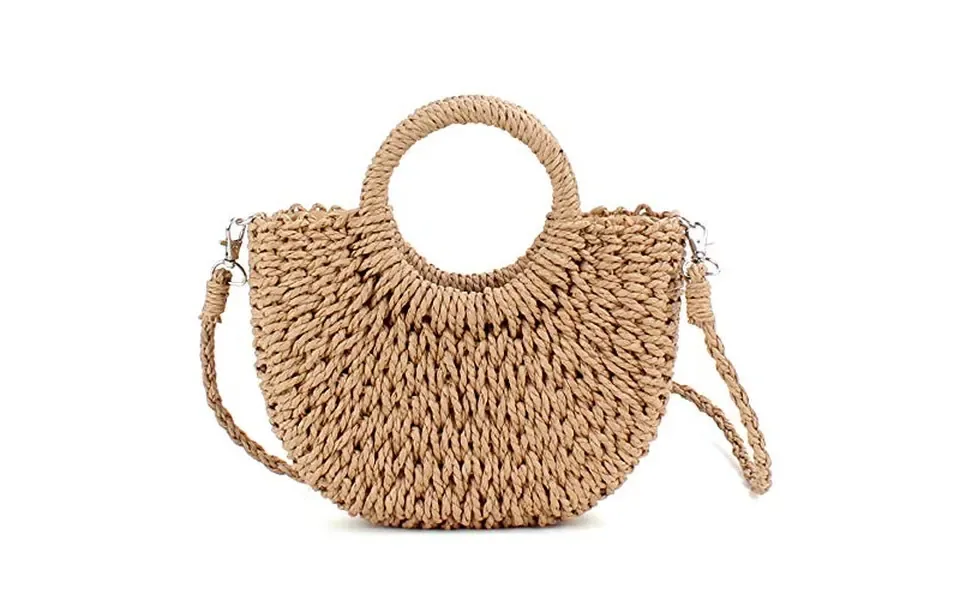
The braided handle version we run most is this round x-large tote. Large totes are also where you meet freight. A big, rigid, open bag is mostly air, and you pay for that air by volume.
How the body is built
Three construction choices decide how a tote behaves, and they cost differently.
The frame. A framed tote holds its corners and stands up on a shelf. An unframed one folds flat, ships cheaper and arrives soft. Framing is the single biggest jump in unit cost after leather.
The gusset. A tote with a gusset opens wide and holds a boxy load. A flat tote looks slimmer and holds less than the outline suggests. If the bag is sold as a work tote, the gusset is not optional.
The base. A double-woven base, or a reinforced panel hidden under the lining, keeps the bottom from sagging. Without it, the bag takes the shape of whatever is inside it, which is never the shape in the campaign photo.
None of these show up in a front-on product image, which is exactly why they end up missing from the spec sheet, and then showing up in the complaint file.
Weave direction and seam placement
Weave direction is the detail that separates a bag which looks handmade from one which looks cheap, and it costs nothing to control.
Vertical weave reads taller and slims the silhouette. Horizontal weave reads wider and softer. Diagonal or chevron weave hides the line where two panels meet, which is why so many supplier photos use it.
Seam placement matters more than buyers expect. A seam down the centre front is the first thing a customer sees. The same seam tucked under a handle patch is never noticed.
Put the seam position on the tech pack rather than approving it from a photograph. Photographs hide seams that daylight will find.
Open weave or tight weave
Open weave is the look. Tight weave is the product.
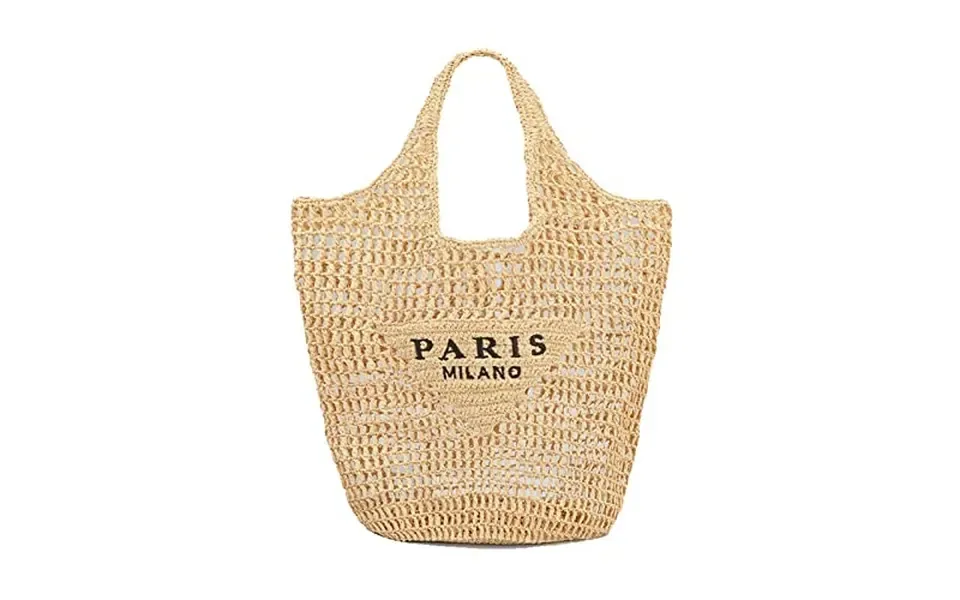
An open weave lets light through, reads as handmade, and looks right on a beach. It also lets sand out, which customers like, and lets small items through, which they do not.
Tight weave costs more hand hours and more material, and it holds its shape when the bag is empty. Buyers who open the bag in a showroom can feel the difference in the first second.
The decision usually follows where the bag will be sold. Open weave for resort shops and gift stores. Tight weave for department stores and anything sold as an everyday bag.
If you want the open look without the leaks, ask for a tight weave on the base and the lower third, open above it. It costs almost nothing and it fixes most complaints.
Handles decide the price
Four handle types cover most orders, and they sit at very different price points and failure modes.
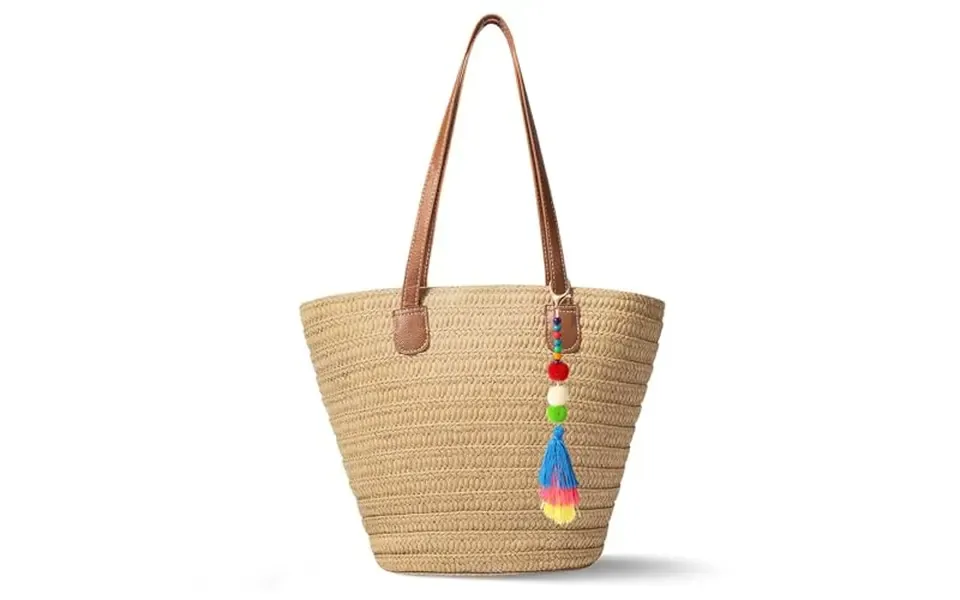
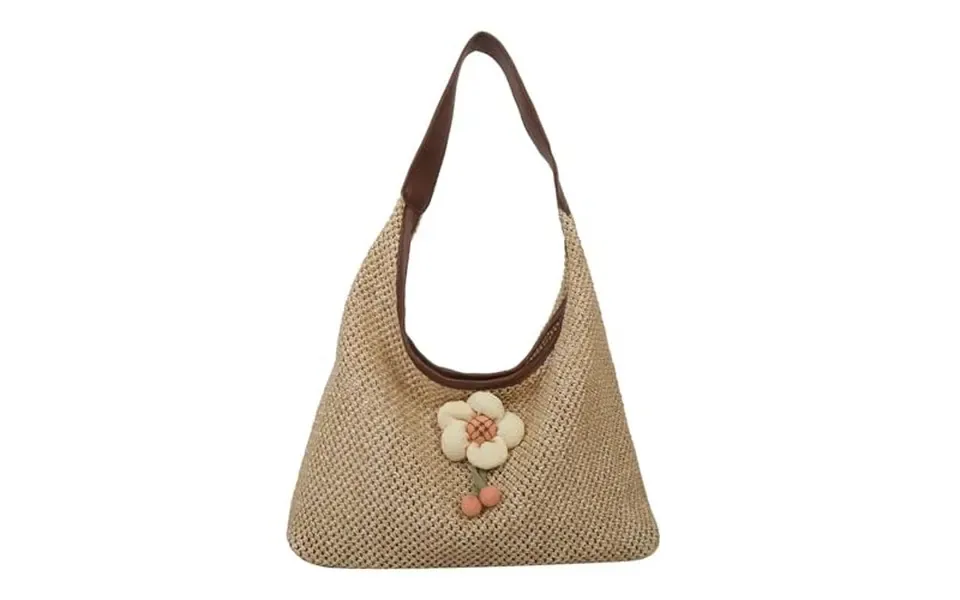
Leather handles stitched through the body, with a leather patch behind the seam, cost the most and last the longest. This is the build behind our mat weave tote. They also let you put the brand on the patch, which is why private label buyers default to them.
Glued leather tabs are cheaper. They are also the first thing to fail in heat, and the failure looks like a defect rather than wear.
Bamboo and wood ring handles look premium and cost less than leather. They are rigid, so the bag cannot be folded and the carton gets bigger, which you pay for in freight.
Braided rope handles are the cheapest of the four and can be made from the same fiber as the body, so the color matches without extra work.
They are also soft on the shoulder and compress in the carton, which saves volume in a shipment full of large totes.
Soft body or structured
Two totes can share a weave, a size and a handle and still feel like different products, because of the body.
A structured tote keeps its outline with nothing inside it. It photographs well on a shelf, it sells at a higher price, and it takes up more carton space.
A soft tote slumps. That is not a defect, it is a style, and it is what makes a market tote look relaxed on a shoulder.
It also costs less to ship and survives being folded into a suitcase, which matters for resort buyers.
The mistake is mixing the two in one spec. A soft body with a rigid handle looks wrong, and a structured body with a rope handle pulls at the seam every time it is lifted.
Lining, closure and the base
Three details decide whether the bag feels like a product or a souvenir.
The lining. An unlined tote is honest and cheap, and it shows every shadow of what is inside.
A cotton lining solves that for a small cost per unit. It also gives you somewhere to sew a label, which matters more than the shadow.
The closure. An open top is fine for a beach tote. For anything sold as a city tote, buyers expect a zipper or a magnetic snap. A zipper also stiffens the rim, so the bag keeps its shape in transit.
The base. A reinforced base panel, or a base woven denser than the body, decides whether the bag stands up on a shelf. Nobody buys a bag that is lying on its side.
Trims add cost faster than weave
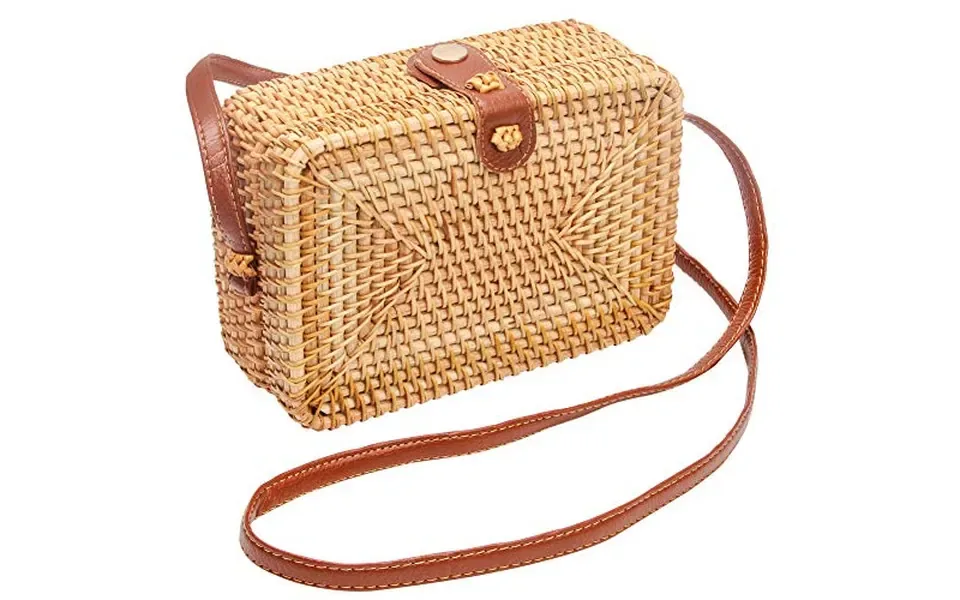
A tassel, a shell charm, a beaded flower, an embroidered monogram. Each one looks like a small detail on a mood board and each one has its own line in the cost sheet.
Two things worth checking before you approve trims.
How they are attached. A charm on a short chain and a lobster clip can be removed by the customer and sold as a separate gift.
A charm sewn straight through the body cannot be removed, and it leaves a hole if someone cuts it off.
Whether they survive packing. Shells crack, pom poms flatten and tassels tangle in a carton that has been on a ship for a month.
The default that works: one trim, attached with a clip, packed in its own small bag inside the tote.
Freight: the carton decides the margin
Straw totes ship by volume, not weight. A carton full of large totes can weigh very little and still cost full rate, because shipping charges follow the space.
Three levers move that number, and none of them change the look of the bag.
Whether the tote folds flat. A soft, unframed tote can be nested and compressed. A framed one cannot.
Whether the handles come off. A detachable strap reduces the packed height more than most buyers expect.
How the bag is stuffed. Over-stuffing protects the shape and wastes volume. Under-stuffing saves space and delivers creases.
Carton quantity depends on the bag size, so ask for it per size rather than per style. A single number covering a mini and an oversized beach tote is always wrong for one of them.
What goes on the spec sheet
Six lines prevent most disputes.
Dimensions in inches, with tolerance. Width, height, depth and handle drop.
The fiber and the strand width, named rather than described.
Weave density, or a sample photo with a ruler in frame.
Handle type and attachment method. Say stitched through with backing patch, not leather handle.
Lining and closure.
Carton quantity per size and how the bag is stuffed, because a soft tote packed flat arrives creased.
Around those sit the commercial numbers. MOQ is 6 pieces per color, sample lead time is 6 days, production runs 10 days. Those three tell you whether a test order is realistic before you commit to artwork.
Mistakes we see
Ordering a large tote in an open weave, then discovering what a full lining costs.
Specifying a leather handle without specifying the backing patch. The handle is only as strong as what it is sewn into.
Assuming one carton quantity covers every size. A mini tote and an oversized beach tote are different freight problems.
Skipping the base panel to save a little money, then watching the bag collapse on a retail shelf.
We have signed off samples on a white background, then found the weave let a phone show through in daylight. White light and a plain backdrop flatter every weave.
Frequently asked questions
What size straw tote sells best?
Medium. It is the size that fits a laptop, a lunch box or a beach towel without looking like luggage.
Can a straw tote carry a laptop?
Only with a lining, a reinforced base and stitched handles. An open weave with glued tabs will not survive that weight, whatever the sample photo suggests.
Do straw totes stretch over time?
Yes, and soft weaves stretch first. A tote that is loaded past the point its base can carry will grow longer at the bottom and lose its shape permanently.
How do I clean a straw tote?
Wipe with a damp cloth, dry in shade, store it stuffed. Never soak it, and never seal a damp bag in a carton.
The care rules are the same for every weave, and we cover them in our guide to the four natural weaves.
Is a straw tote the same as a market bag?
Close enough to confuse. A market bag is usually a large, soft, open tote with long handles. Same construction family, different proportions.
Can a straw tote be private labeled?
Yes, and the handle is where most brands do it. A leather patch takes an embossed logo, a woven label goes into the lining, and a wooden handle can be printed. Monogram embroidery needs a tight weave to sit straight.
Where to start
If you are building a tote program, send us the two or three sizes you want to test, the market you sell into and the retail price you need to hit.
We will come back with the build that fits that price, and a sample in the weave you are considering. Sampling takes 6 days, so there is time to correct course before the range review.
We weave in Guangzhou and ship worldwide. Reach the team on the contact page, or see the current tote range on the products page.